
Free license agreement template to download: which clauses it contains, which license types it fits, and how to adapt the template to your situation step by step.
This template is for general information only. It is neither legal advice nor a substitute for independent legal advice that meets your specific requirements. By accessing this template, you agree to these terms and agree that use is at your own risk. top.legal is not responsible for reliance on this template.
As over 90% of business disputes are contractual disputes, a well-drafted license agreement that protects the interests of all parties involved is essential. Our free, customizable license agreement template is designed to simplify the otherwise difficult process of creating a comprehensive and legally binding agreement. Use our template to tailor your agreement to your specific needs and requirements while ensuring that all necessary legal aspects are covered.
What a license agreement is, which rights it transfers, and how the different contract types differ is covered in depth in our license agreement guide. This page focuses on the practical side: which clauses the template contains and how to adapt it to your situation step by step.
What clauses the template includes
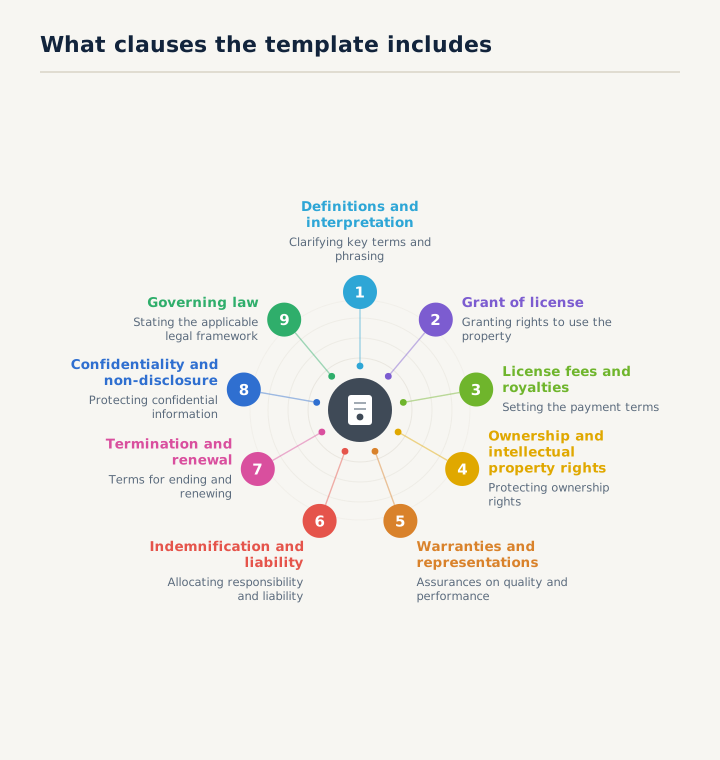
To make sure both parties are aligned and avoid misunderstandings, our license agreement template covers these key clauses:
- Definitions and interpretation: The section of the agreement that defines and clarifies the meaning of the key terms and phrases used throughout the contract. Both parties must understand what these terms mean to prevent misunderstandings or disputes later on.
- Grant of license: One of the most important clauses in a license agreement is the "grant clause." The grant clause defines the scope of the rights that the patent holder (or "licensor") gives to the user ("licensee"). The scope of the grant clause has a significant impact on the commercial use of the invention.
- License fees and royalties: A license fee refers to a payment made to obtain a specific right from another entity. Royalties are payments made on an ongoing basis, based on usage, for the right to use a particular asset or property. They are typically calculated as a percentage of gross revenue or net profit generated.
- Ownership and intellectual property rights: A section or provision in a license agreement that defines and establishes ownership, rights, and responsibilities relating to intellectual property. Intellectual property can refer to intangible assets such as patents, trademarks, copyrights, and trade secrets.
- Warranties and representations: This section helps establish trust and accountability between the parties to a license agreement. It provides a clear understanding of the expectations and obligations of both the licensor and the licensee and can ultimately lead to a successful and mutually beneficial partnership.
- Indemnification and liability: Outlines the responsibilities and obligations of the parties in the event of damages, losses, or liabilities arising during the performance of the agreement.
- Termination and renewal: Covers the duration of the license, the circumstances under which it can be terminated by either party, and the rights and obligations of both parties upon termination, expiration, or renewal.
- Confidentiality and non-disclosure: A confidentiality agreement obligates all parties involved to keep certain information secret, while a non-disclosure agreement (NDA) establishes a confidential relationship between the signatories, ensuring that such information remains confidential.
- Governing law: States the jurisdiction whose laws apply to the agreement. This ensures the parties know which law governs the interpretation, enforcement, and validity of the agreement.
Which license types the template fits
The template is deliberately general and can be adapted to the common license types — patent, trademark, copyright, franchise, software, distribution, and joint venture licenses alike. Add or remove clauses to match the arrangement you need.
For a full overview of each license type and how they differ, see our guide to license agreements.
How to use this license agreement template
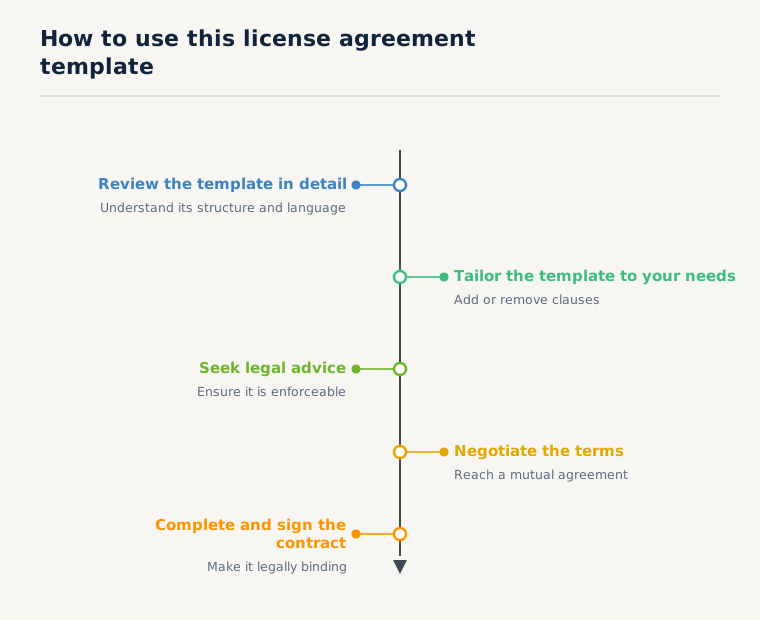
Review the template in detail
Before making changes to the template, read the entire document carefully to understand its structure, language, and legal implications. Verify that all the clauses and provisions relevant to your business are included — such as the type of license, payment terms, intellectual property rights, and confidentiality.
Tailor the template to your needs
Once you have reviewed the template, you can adapt it to your specific requirements. You can add or remove clauses, change the wording, and adjust the formatting to fit your business practices. For example, you might add provisions on exclusive or non-exclusive rights, geographic restrictions, or termination clauses.
Seek legal advice
While using a license agreement template can be convenient, it is important to seek legal advice to ensure the final document is legally binding and enforceable. A lawyer can review the agreement to confirm it complies with local laws and regulations, and can advise on any legal issues that may arise.
Negotiate the terms
Once you have adapted the template to your needs, it is important to negotiate the terms with the other party. This is a crucial step in the process, as it ensures both parties understand and agree to the terms of the agreement.
Review the agreement before signing
After both parties have agreed to the terms, it is important to review the agreement carefully before signing. Make sure all clauses and provisions are correct and complete, and that the document reflects the agreed terms. Once both parties have signed the document, it becomes legally binding.
Ready for the next step?
Book a demo with our team and see top.legal in action