
Renew, renegotiate, or switch? How to weigh cost, risk, and alternatives before a contract expires — with a worked example comparing an extension against a new contract.
A contract is expiring — and the real question is: renew, renegotiate, or switch? Extending is convenient and keeps things running, but it's rarely the cheapest option by default. Sometimes the better deal is with a competitor; sometimes switching costs eat the price advantage. Renew out of habit and you leave negotiating room on the table; switch too quickly and you underestimate the effort.
This article is a decision guide, not a definition. We give you a five-step evaluation framework and a concrete worked example that lets you compare an extension against a new contract properly — switching costs and break-even point included. After that come the situations where extending pays off (and where it doesn't), plus the legal points to check before you commit.
Looking for the legal difference between a true renewal and a mere extension? We cover that separately in contract renewal vs. contract extension. This article answers the question that comes first: should you extend at all?
A Five-Step Decision Framework
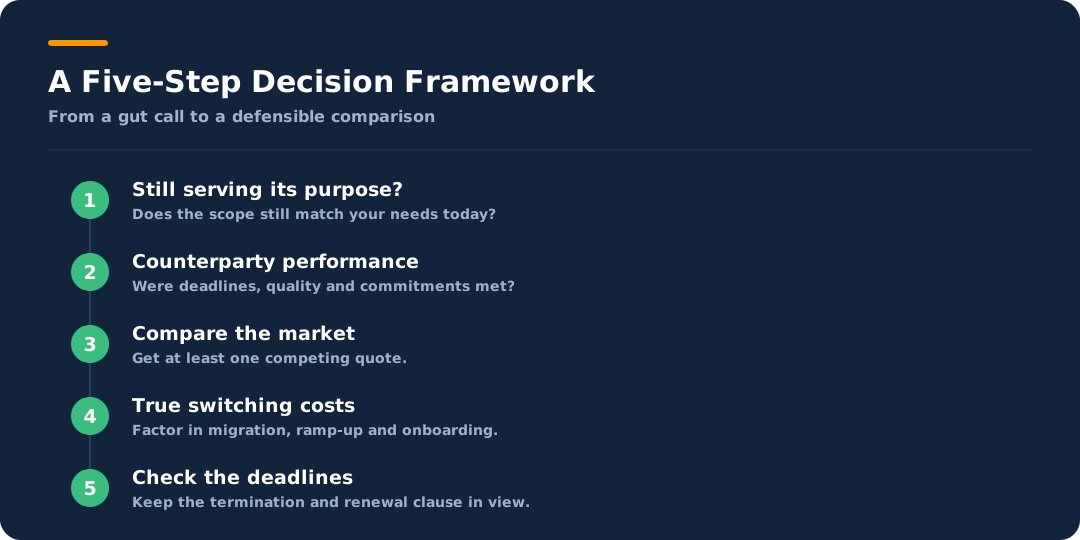
Before you commit or cancel, work through these five questions in order. They move you from a gut call to a defensible comparison.
- Does the contract still serve its purpose? Does the scope still match what your business needs today — or are you extending something you've outgrown?
- How did the counterparty perform? Were deadlines, quality, and commitments met? Documented problems are your strongest argument against an extension.
- What does the market offer? Get at least one competing quote. Without an alternative you have neither negotiating leverage nor a basis for the decision.
- What does switching really cost? Factor in migration, ramp-up, and onboarding effort — not just the new headline price (see the worked example below).
- Which deadline is running? Check the termination and renewal clause. A missed deadline decides the question for you — usually in favor of an unwanted automatic renewal.
Worked Example: Does Renewing Pay Off Financially?
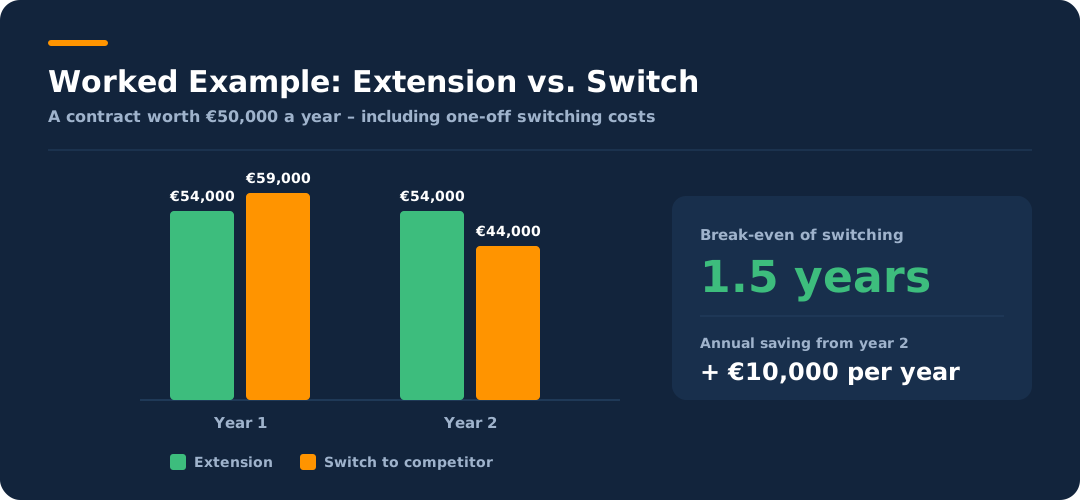
The most common mistake is to compare only the two annual prices. Switching creates one-off switching costs that only pay back over the term. Take a supplier or software contract currently at €50,000 per year:
| Item | Extension | Switch to competitor |
|---|---|---|
| Annual price | €54,000 (+8% on renewal) | €44,000 |
| One-off switching costs (migration, ramp-up, onboarding) | €0 | €15,000 |
| Year 1 cost | €54,000 | €59,000 |
| Year 2 cost (and each year after) | €54,000 | €44,000 |
In the first year, switching is therefore more expensive. Only afterward does the lower price pay off:
- Annual saving after switching: €54,000 − €44,000 = €10,000
- Break-even: €15,000 switching cost ÷ €10,000 saving = 1.5 years
The decision rule: if you expect to stay with the new provider longer than the break-even point, switching pays off on paper. If your planning horizon is shorter — or the switching risk outweighs the price advantage — extending is the smarter choice. Use these numbers as leverage in the renegotiation: a concrete competing offer on the table often secures a much better renewal.
What Does a Contract Extension Mean?
Briefly, for context: a contract extension is when both parties continue an existing contract beyond its original expiration date — either automatically via a renewal clause or actively by fresh agreement, renegotiating price, duration, or scope. How automatic renewals work and stay enforceable is covered separately; the full renewal cycle, including software, is in the guide to managing contract renewals.
Extensions are especially common in employment contracts (to retain skilled employees), lease agreements (stability for tenants and landlords), and service contracts (continuing established relationships). It's always convenient — whether it's also the best option is what the evaluation above decides.
When is a Contract Extension Beneficial?
Here are some common situations where a contract extension makes sense:
-
Ensuring Long-Term Stability If a contract is working well, extending it can provide continuity and peace of mind. This is especially valuable in employment agreements, supplier relationships, and long-term service contracts, where switching to a new provider or renegotiating terms could create uncertainty or risk.
-
Negotiating Better Terms An extension provides an opportunity to renegotiate and secure better conditions. Businesses can adjust pricing, update service levels, or refine payment terms based on past performance and future expectations. If both parties have developed a strong working relationship, they may be more open to flexible terms that benefit both sides.
-
Avoiding Disruptions Letting a contract expire without a clear alternative can create operational gaps. A service provider’s sudden departure can cause delays, a key employee leaving may impact productivity, and a lease expiration without renewal could lead to an unplanned move. Extending a contract prevents these disruptions, ensuring a smooth transition and business continuity.
-
Saving Costs and Time Negotiating and drafting a brand-new contract can be time-consuming and expensive. A contract extension simplifies the process by modifying existing terms instead of starting from scratch. Legal and administrative costs are often lower when extending a contract compared to creating a new agreement. Additionally, keeping the same partners, employees, or service providers means avoiding the onboarding and adjustment period that comes with bringing in someone new.
-
Strengthening Trust and Collaboration Long-term business relationships often become more valuable over time. As parties work together, they develop a deeper understanding of expectations, workflows, and goals. A well-established partnership is built on trust, making future negotiations smoother and collaboration more effective. When a contract has proven beneficial and the working relationship is strong, an extension can reinforce that trust and set the stage for even greater long-term success.
When is a Contract Extension Not a Good Idea?
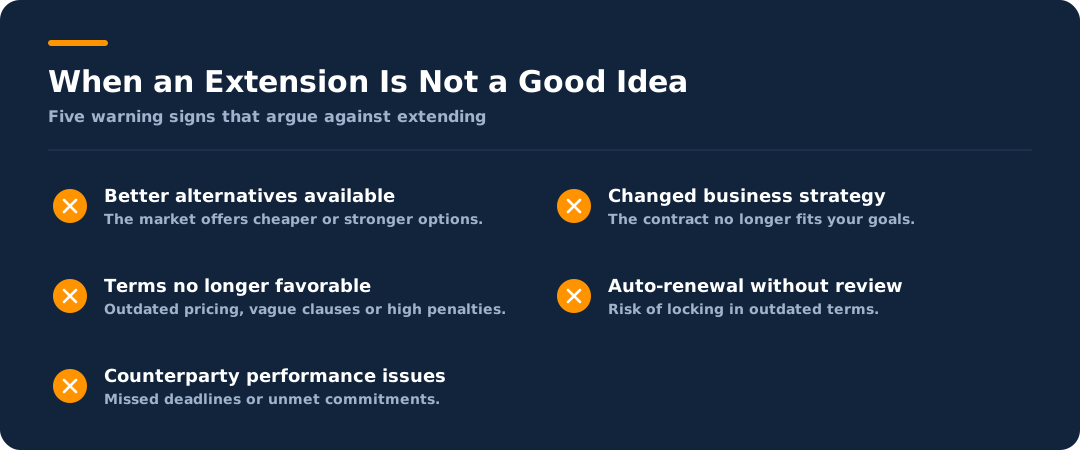
An extension should only be considered if it still aligns with your needs and objectives. Here are key situations where it might be better to walk away or renegotiate instead.
-
Better Alternatives Are Available The market evolves, and what was once the best option may no longer be competitive. If other providers, vendors, or employees offer better pricing, service quality, or more favorable terms, sticking with an outdated agreement could mean missing out on a better deal. Instead of extending by default, comparing current options can help determine whether switching is the smarter choice.
-
The Contract Terms Are No Longer Favorable Some contracts contain clauses that, over time, become disadvantageous. If the current agreement includes vague language, excessive penalties, or outdated pricing structures, extending it without renegotiation could lock in terms that no longer serve your needs. Before agreeing to an extension, carefully reviewing the contract and identifying areas for improvement is essential.
-
Performance Issues with the Other Party If the other party has failed to meet expectations—whether due to poor service, missed deadlines, or unfulfilled obligations—extending the contract could lead to continued frustration and potential financial losses. Contracts should be built on trust and reliability. If issues have been persistent and attempts to resolve them have been unsuccessful, it may be a sign that it’s time to move on rather than extend.
-
A Changed Business Strategy Business goals and priorities aren’t static. What worked when the contract was first signed may no longer fit your current situation. If your company has grown, downsized, or shifted focus, extending an agreement that no longer supports your strategy could hold you back. Instead of renewing out of habit, reassess whether the contract still aligns with where you're headed.
-
The Contract Renews Automatically Without Review Some contracts contain automatic renewal clauses, extending the agreement unless action is taken to cancel. While this can be convenient, it can also lead to unwanted commitments or missed opportunities for renegotiation. If a contract renews without review, you might find yourself locked into outdated terms or unnecessary obligations. Regularly assessing contracts before they renew ensures they still serve your best interests.
Key Legal Considerations When Deciding on a Contract Extension
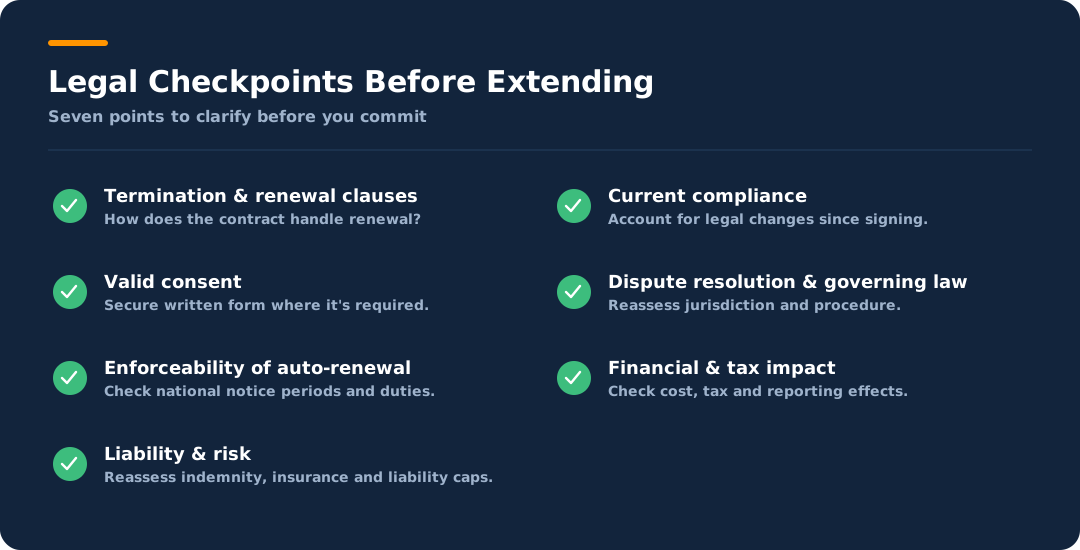
Consider these important legal aspects before deciding on an extension to avoid potential risks and ensure the contract still meets your needs.
-
Understanding Termination and Renewal Clauses One of the first things to check is how the contract handles renewals. Some contracts automatically renew unless a party takes action to terminate, while others require both parties to actively agree to an extension. Missing a termination deadline could mean getting locked into an unwanted renewal. On the other hand, if an extension requires formal approval, failing to meet legal requirements—such as providing written confirmation—could make the renewal invalid.
-
Confirming Legal Requirements for Consent Not all contracts can be extended informally. In many cases, both parties must agree in writing to ensure the extension is legally valid. This is particularly important for employment contracts, service agreements, and long-term supplier relationships. A verbal agreement might not hold up in court if a dispute arises later. Ensuring that all required documents are properly signed and recorded can prevent legal headaches down the road.
-
Evaluating the Enforceability of Automatic Renewals Automatic renewal clauses aren’t always enforceable, as many jurisdictions require clear notice before renewal. In the U.S., states like California (Cal. Bus. & Prof. Code § 17600) and New York (N.Y. Gen. Oblig. Law § 5-903) mandate advance notification. The EU Consumer Rights Directive (2011/83/EU) ensures transparency, while Germany (§ 309 No. 9 BGB) sets strict notice periods. In the UK, the Consumer Contracts Regulations 2013 require clear opt-out options. Failing to comply with these laws can make an auto-renewal invalid, leading to legal disputes or penalties.
-
Assessing Liability and Risk Exposure Extending a contract without reviewing liability clauses can create unnecessary risks. Indemnification terms, insurance requirements, and liability limits should be reassessed to ensure they still offer sufficient protection. If regulations have changed, financial exposure has increased, or new risks have emerged, the contract may need adjustments before renewal. Otherwise, one party could end up accepting liabilities that no longer align with its risk tolerance.
-
Ensuring Compliance with Changing Laws Regulations change over time, and a contract that was once compliant may no longer meet legal requirements. This is especially important in industries like data protection, finance, and healthcare. For example, when the GDPR took effect, companies handling EU customer data had to update contracts to meet stricter privacy rules. Before extending a contract, it's essential to review whether legal updates are needed to remain compliant and avoid potential penalties.
-
Reassessing Dispute Resolution and Governing Law Provisions Disputes can arise at any time, and the contract’s dispute resolution clause determines how conflicts will be handled. If the original agreement specified arbitration, mediation, or a particular jurisdiction for legal proceedings, it’s worth reconsidering whether those terms still work for both parties. If a business has expanded to new regions or if legal costs have increased, it may be beneficial to renegotiate these provisions before extending the contract.
-
Reviewing Financial and Tax Implications Contract extensions can have financial and tax consequences, especially for long-term agreements. Renewing a lease, service contract, or employment agreement without considering cost changes, tax liabilities, or financial reporting requirements could lead to unexpected expenses. Consulting with financial and legal advisors before extending a contract can help avoid unnecessary financial burdens.
Ready for the next step?
Book a demo with our team and see top.legal in action