
The key benefits of contract management — from lower risk and faster negotiations to cost savings and better decisions — and how to capture them.
Contracts govern most of what a company does — who it buys from, who it sells to, and on what terms. Yet the way many organizations handle those contracts is scattered across inboxes, shared drives, and spreadsheets, where deadlines slip and value leaks away unnoticed.
That is exactly the problem effective contract management solves. Done well, it turns a recurring source of risk and delay into a competitive advantage. This article walks through the concrete benefits of contract management — increased visibility, lower risk, faster negotiations, real cost savings — and how each one shows up in day-to-day operations.
What is Contract Management?
Contract management is the process of monitoring, managing, and optimizing the entire lifecycle of a contract, from drafting through negotiation, execution, performance, and renewal or termination. Its goal is simple: make sure every party meets its obligations while risk is minimized and value is maximized. For a fuller treatment, see our guide to contract management.
The discipline covers a handful of core activities:
- Drafting: Writing the contract in clear language that states exactly what each party must do, so there is no room for misunderstanding later.
- Negotiation: Working through terms until both parties reach a consensus — sharing proposals, revisions, and clarifications along the way.
- Execution: Collecting the required signatures so the contract becomes legally binding, then distributing copies to everyone involved.
- Performance monitoring: Tracking deliverables, milestones, and timelines throughout the term to confirm both sides hold up their end.
- Risk management: Identifying the risks buried in each contract and putting strategies in place to mitigate them before they bite.
- Amendments and renewals: Handling the changes and extensions that business realities demand, and making sure every party is notified.
- Compliance: Actively checking that all parties honour the agreed terms, and acting on any discrepancies.
- Closeout: Overseeing the end of the contract to confirm every obligation has been met.
Why is Contract Management Important?
Poor contract management costs money and damages reputations. Effective contract management gives you control of the entire process from start to finish — and that control is what converts contracts into an asset rather than a liability.
Contracts run the business
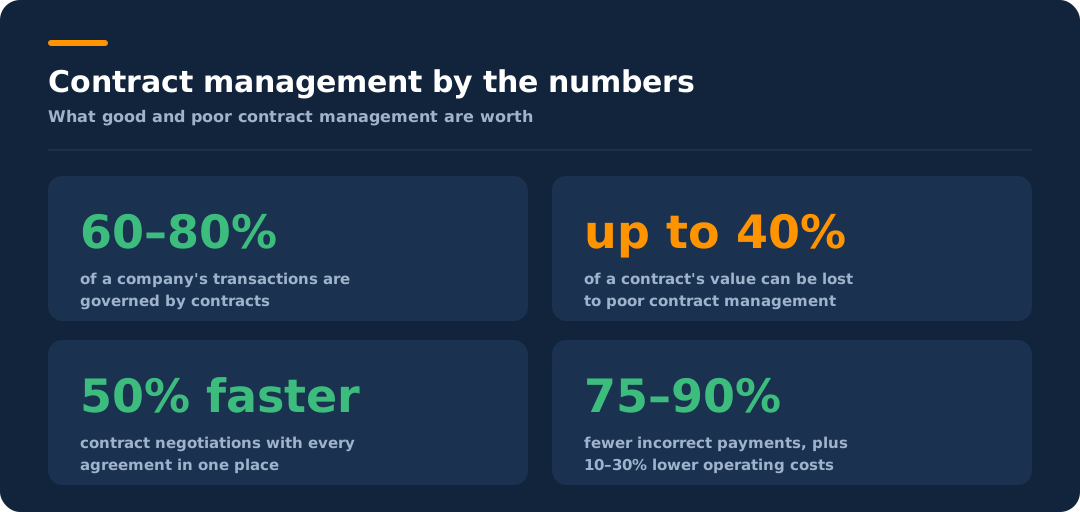
Contracts govern an estimated 60–80% of a company's transactions. Managing them keeps you on top of the terms you're bound by and the parties you depend on. Without that visibility, you risk poor planning, missed deadlines, and unexpected costs that quietly erode the value of every deal.
It saves time and money
Streamlining and automating how contracts are created and maintained produces better cost control, higher productivity, and fewer errors — while tightening oversight of payments and revenue. You extract more from the contracts you hold and stay ahead of the obligations you owe.
The cost of getting it wrong is high
Ignore the financial levers inside your contracts and you leave revenue on the table. Worse, failing to meet contractual terms damages both your reputation and your negotiating position. Studies suggest poor contract management can cost companies up to 40% of a contract's value — a gap good management closes by surfacing the clauses that drive value and risk.
It strengthens your negotiating hand
Having every contract in one place is a negotiation advantage in itself. Research links strong contract management to negotiations that move up to 50% faster, incorrect payments cut by 75–90%, and operating costs reduced by 10–30%. When you know every detail across your portfolio, you negotiate from a position of strength.
The 10 Benefits of Effective Contract Management

Here are the ten benefits that most consistently change how a company operates and performs.
1. Increased visibility and control
A proper contract management system gives you a single, central view of every contract — and with it, real control over the whole portfolio. You can track milestones, monitor commitments, and see how contracts are actually performing. That transparency is the foundation for informed decisions, spotting opportunities early, and heading off risk.
2. Streamlined processes and efficiency
Standardized templates and clauses let you create new contracts faster and more consistently, while digital signatures and automated approval workflows compress the entire lifecycle. This is where contract management software earns its keep: the efficiency it unlocks lets you seize time-critical opportunities instead of waiting on paperwork.
3. Risk mitigation and compliance
Effective contract management builds in risk assessment and compliance monitoring. By identifying risks early and addressing them proactively, you avoid disputes and costly legal action. Compliance tools make sure obligations are met on time, which keeps your standing with regulators and partners intact.
4. Improved collaboration and accountability
A shared system aligns the departments involved in any contract — legal, sales, procurement, finance. When roles and responsibilities are clearly defined, everyone knows what they own. That accountability reduces misunderstandings and lifts overall contract performance.
5. Optimal resource allocation
By analyzing contract data, you can see which agreements deliver the highest return and direct your resources accordingly. This data-driven approach concentrates effort on your most profitable contracts, while underperformers get renegotiated or retired.
6. Stronger relationships with vendors and customers
Clear communication and efficient negotiations build trust. When you meet your obligations on time and professionally, you earn a reputation as a reliable partner — and that reputation drives repeat business and referrals.
7. Proactive renewal management
Managed well, contracts are monitored across their full lifecycle, so problems surface early enough to fix. Most systems send automatic alerts ahead of upcoming renewals, so you never miss a date. That lead time is what lets you renegotiate terms, adjust pricing, or explore better options instead of auto-renewing by default.
8. Better decisions with data insights
Contract management software turns your portfolio into data through analytics and reporting. By tracking KPIs — budget compliance, profit margins, savings from supplier negotiations — you get a clear, evidence-based read on performance.
Those numbers do more than describe the past. They flag inefficiencies, expose spending patterns, and point to the specific contracts that need attention, so the decisions you make are grounded in evidence rather than instinct.
9. Cost savings and revenue optimization
Better procurement practices, sharper negotiation outcomes, and a lighter administrative load all translate into direct cost savings. On the revenue side, effective management surfaces opportunities to optimize income through strategic amendments and upselling.
10. Continuous improvement and adaptability
Effective contract management fosters a culture of continuous improvement. By evaluating performance and learning from past deals, you can adapt your contract strategy as markets and business needs shift.
It also sets the baseline for clear communication. Precisely defined contracts set expectations from the start, so everyone understands their role and what success looks like. Regular reviews across the lifecycle then keep those lines open — surfacing issues early, while they're still small enough to resolve.
Ready for the next step?
Book a demo with our team and see top.legal in action